


We know that life with a family can get pretty hectic. Between meals, homework, and just the general rush of getting through the day, our homes take a beating. Especially in the kitchen, surfaces need to handle a lot, including unexpected heat. We’ve been looking into materials that can stand up to the heat without us worrying too much. It’s about finding practical solutions that look good and work hard for us.
Key Takeaways
- When picking surfaces for busy homes, think about how they handle heat. Countertops and tiles need to be tough.
- Quartz and granite are good choices for heat resistant countertops. They look nice and can take some heat.
- Porcelain and ceramic tiles are solid options for floors and walls. They resist heat and are good for places where people walk a lot.
Durable Surfaces That Withstand Kitchen Heat
When we’re planning our kitchens, especially with kids running around and meals constantly on the go, we need surfaces that can take a beating. Heat is a big one, right? We’ve all had those moments where a hot pan is set down a little too quickly. We’ve looked into materials that don’t just look good but can actually handle the heat without us worrying about damage. Choosing the right countertop means less stress and more enjoyment in our busiest room.
Quartz: The Champion of Heat Resistant Countertops
Quartz countertops have become really popular, and for good reason. They’re engineered, which means we get a lot of control over their properties. One of the best things about quartz is its impressive heat resistance. While it’s not completely impervious to extreme heat, it handles everyday kitchen tasks like placing a warm pot on it without much fuss. We’ve found that most manufacturers recommend using trivets or hot pads just to be safe, especially for prolonged exposure to very high temperatures, but for typical use, it’s a solid performer.
- Composition: Typically made of about 90-95% natural quartz stone mixed with resins and polymers.
- Heat Tolerance: Can generally withstand temperatures up to around 300°F (150°C) before discoloration or damage might occur.
- Maintenance: Non-porous, so it resists stains and is easy to clean with soap and water.
- Appearance: Available in a vast array of colors and patterns, mimicking natural stone or offering solid hues.
We’ve learned that while quartz is tough, sudden, extreme temperature changes (like moving a scorching hot pan from the oven directly onto a cool quartz surface) can potentially cause thermal shock, leading to cracks. So, a little caution with those really hot items is still a good idea.
Granite: Natural Beauty Meets Heat Resilience
Granite is another fantastic option for kitchens where heat is a concern. As a natural stone, each slab is unique, bringing a beautiful, organic look to our spaces. Granite is known for its durability and its ability to withstand high temperatures. We’ve seen granite slabs handle hot pots and pans directly on their surface for short periods without any issues. However, like quartz, it’s wise to use trivets for very hot items to protect the sealant and the stone itself over the long haul.
- Origin: Mined directly from the earth, offering unique veining and color variations.
- Heat Resistance: Highly resistant to heat, often able to withstand temperatures well over 500°F (260°C).
- Sealing: Requires periodic sealing (usually annually) to prevent staining, as it is a porous material.
- Durability: Extremely hard and resistant to scratches and chips.
We’ve found that the sealant on granite is what really protects it. If the sealant wears down, the stone can become more susceptible to heat damage and staining. So, keeping up with the sealing is key to maintaining its beauty and resilience.
Stylish and Heat-Proof Tile Options for Every Room
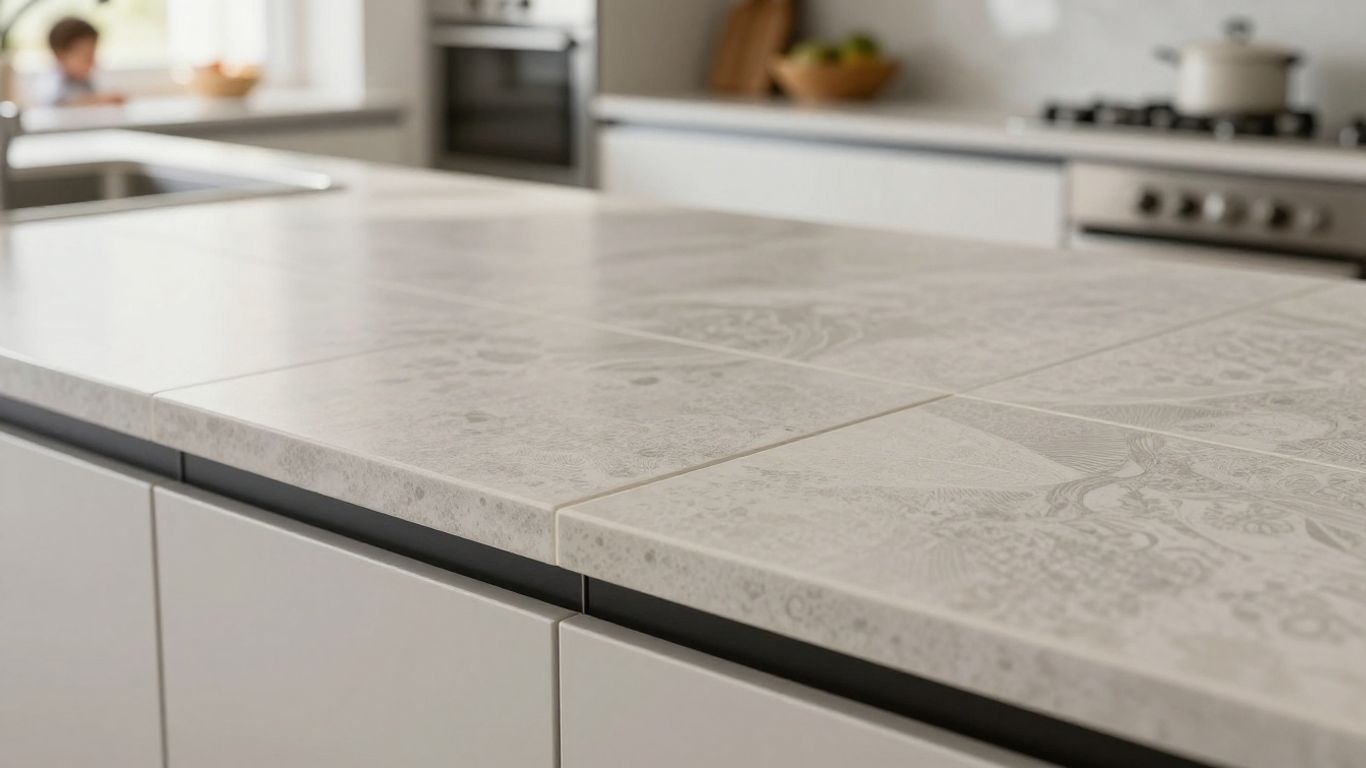
When we think about our homes, especially the kitchen and bathrooms, we want surfaces that look good but can also handle a bit of heat. We’ve found that tiles are a fantastic way to achieve this. They come in so many styles, and many types are really good at resisting heat, which is a big plus for busy families.
Porcelain Tiles: A Versatile Choice for High-Traffic Areas
Porcelain tiles are a top pick for us. They’re made from a denser clay that’s fired at higher temperatures than regular ceramic. This makes them incredibly strong and less likely to absorb water. This low water absorption is key to their heat resistance and durability. Because they’re so tough, we see them used everywhere, from kitchen backsplashes that might get splattered with hot food to bathroom floors that can handle steamy showers.
Here’s a quick look at why porcelain is a good choice:
- Durability: They stand up well to scratches and heavy use.
- Water Resistance: Great for areas prone to moisture.
- Heat Tolerance: Can handle warm pots or pans placed on them briefly.
- Style Variety: Available in looks that mimic wood, stone, and more.
Ceramic Tiles: Budget-Friendly Heat Resistance
Ceramic tiles are another solid option, especially if we’re watching our budget. They’re made from clay too, but usually a bit less dense than porcelain. This means they might be a little more prone to chipping or staining if something heavy drops on them, but for general heat resistance in areas like a kitchen backsplash or a laundry room floor, they work quite well. We often see them in more decorative patterns or colors, adding a nice touch to a room without breaking the bank.
We’ve found that for most everyday kitchen heat, like placing a hot serving dish down for a moment, both porcelain and well-sealed ceramic tiles can do the job. It’s really about matching the tile’s specific rating and our needs.
When choosing, we always check the tile’s PEI rating, which tells us how much wear and tear it can handle. For floors, a higher PEI rating is better. For walls, it’s less of a concern. Both porcelain and ceramic offer a good balance of looks and practicality for busy households.
Wrapping Up Our Countertop and Tile Talk
So, we’ve looked at some solid choices for countertops and tiles that can handle the everyday hustle of family life. Picking the right materials means less worry about spills, heat, and general wear and tear. It’s about making smart decisions now that pay off later, giving you a kitchen and bathroom that look good and work hard. We hope this helps you find surfaces that fit your home and your busy schedule. Happy renovating!
Frequently Asked Questions
Can we place hot pots directly on these countertops?
While quartz and granite are quite tough against heat, we always suggest using trivets or hot pads. This is a good habit to protect the surface from any sudden, extreme temperature changes that could cause damage over time, even if it seems okay at first.
Are porcelain and ceramic tiles safe for areas near the oven or stove?
Yes, both porcelain and ceramic tiles are excellent choices for kitchens because they don’t easily burn or get damaged by heat. They are designed to handle the warmth that comes from cooking, making them practical for busy family kitchens where meals are made daily.
How do we keep these heat-resistant surfaces looking good?
Keeping these surfaces looking great is usually straightforward. For countertops, a simple wipe-down with mild soap and water often does the trick. For tiles, sweeping and mopping are generally sufficient. Regular, gentle cleaning prevents build-up and maintains their appearance for years.
